
798 Art District Beijing: A Walk from UCCA to the 751 Locomotive
Use the red UCCA frontage as your starting point. From there, walk to the red 798 marker at Bauhaus Square and finish by the preserved locomotive in the 751 Train Block. This route is for a first visit when you want to see what happened to the factories and have enough time to look around at street level. Set aside about an hour for the three stops. Add time separately if you decide to visit an exhibition.
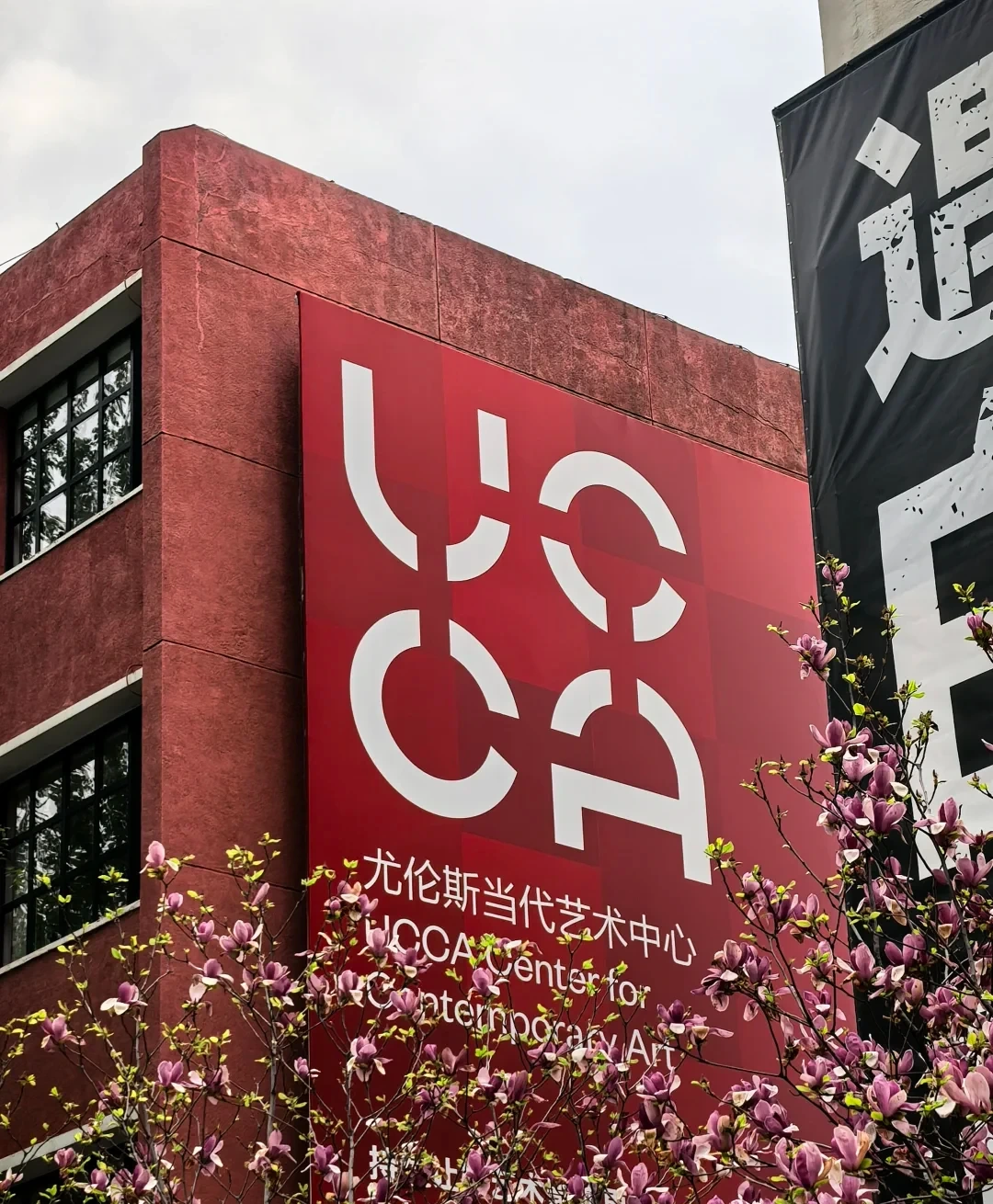
Start at the red UCCA frontage
Use the map name UCCA尤伦斯当代艺术中心(北京798). The gallery operator lists No. 4 Jiuxianqiao Road, Chaoyang for this site. A pin for the whole art district can put you at the edge of a sprawling former factory compound. The red block with white letters sets a much clearer meeting point than “outside 798.” Stay on the public lane by the façade.
Look around before moving on. The neighborhood was an electronics factory compound and UCCA occupies buildings that once served that industrial site. You can still see the contrast between tall working spaces and a low streetfront. The gallery’s own visitor page lists exhibition hours separately if you want to add an indoor visit.
Continue to the red 798 marker at Bauhaus Square
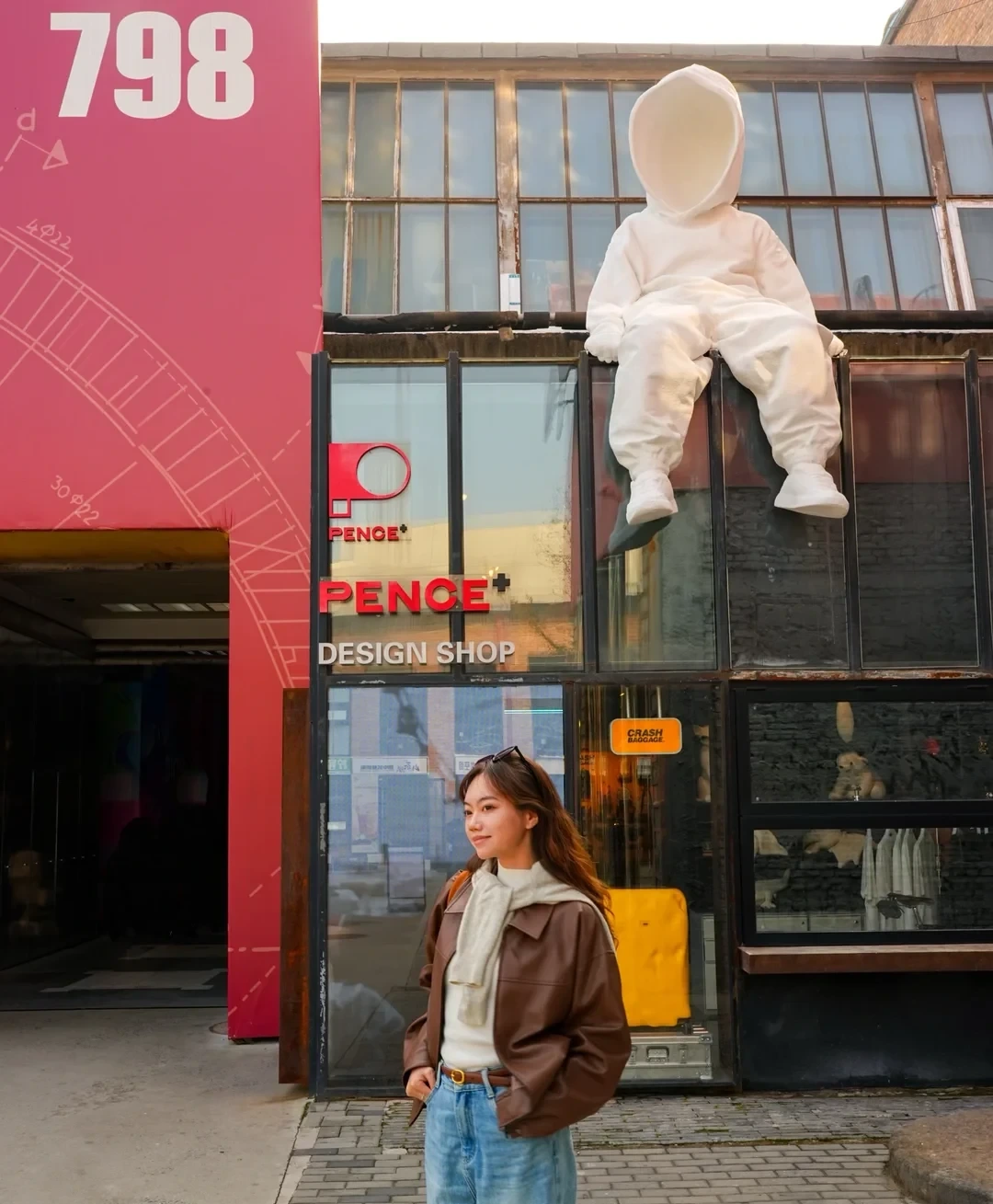
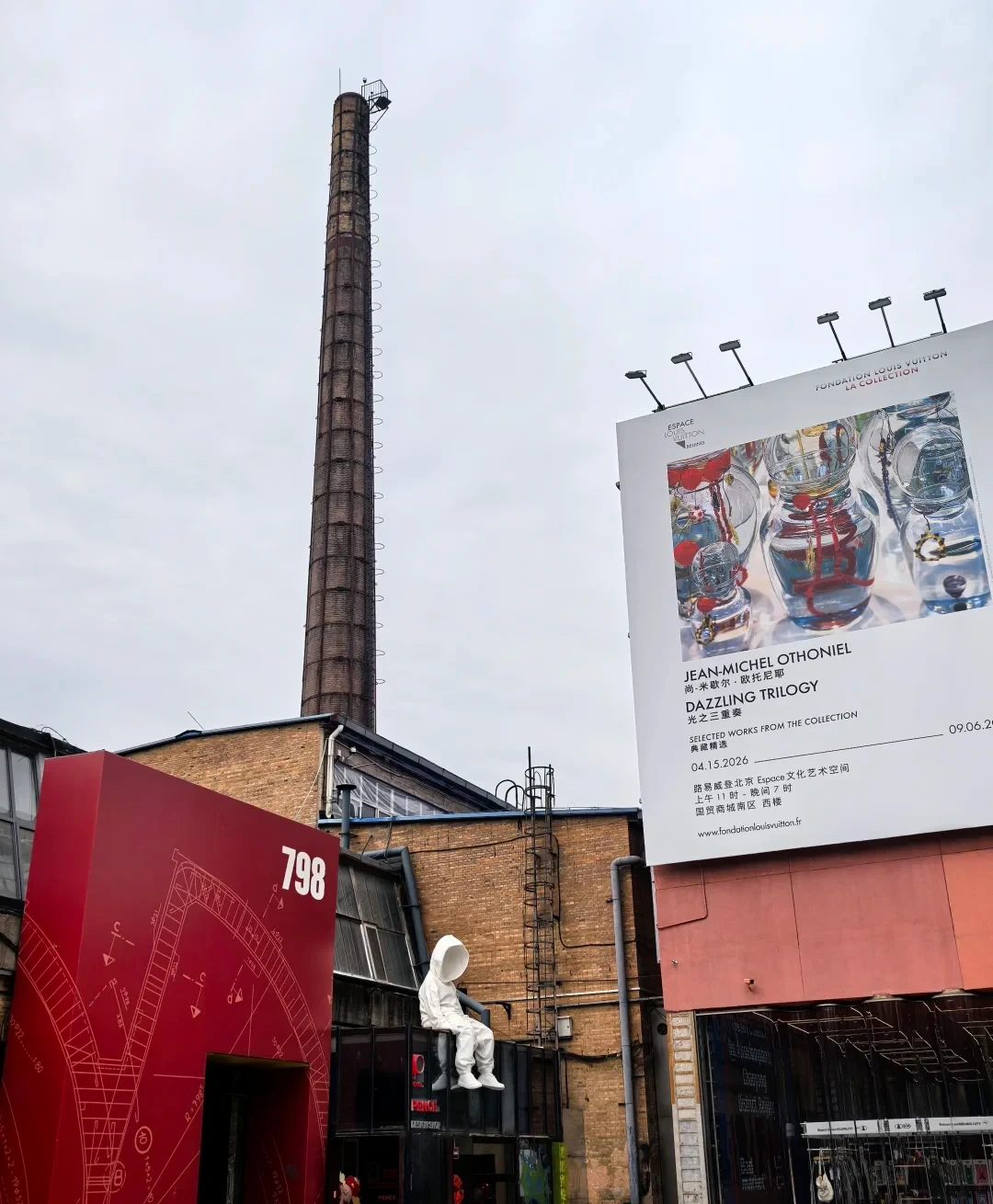
Use 798包豪斯广场 as your second pin and follow the lane through the compound. A red 798 marker and a brick chimney tell you more than a pin alone. Let the chimney orient you above the roofs, then use the red lettering at street level. The older buildings have very different rooflines from the storefronts that have moved into them.
This is a good place to stop and look at how much of the factory was kept. You can see large window bays, taller workshop walls and the brick chimney from the public route. Temporary art installations can change. Use the factory structures and the 798 lettering when you are following the photographs.
Finish at the locomotive in the 751 Train Block
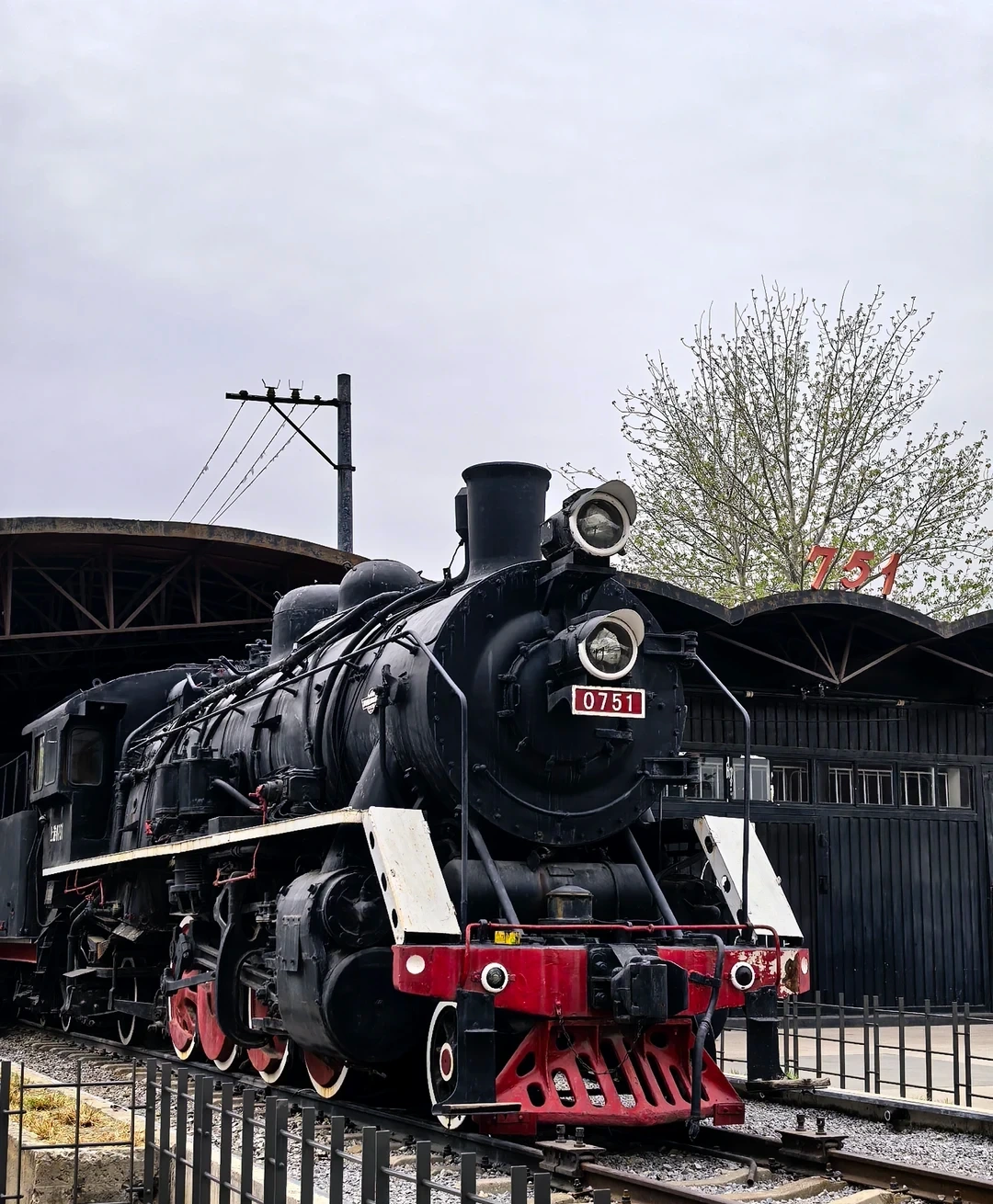
For the last leg, use 751火车头广场. Follow the paved public lane from Bauhaus Square into the section signed 751. The locomotive is the unmistakable marker at the end. Look for the round front, metal wheels and old track behind its fence. Stop on the public side of the fence for the photo.
The city explains that the Train Block sits in an area built to handle coal for the 751 boilers. The old railway lines carried industrial materials. That gives the locomotive a different context from a decorative shopfront, even though some carriages are now used as retail space. If a venue is closed, the locomotive still marks the end of this street-level route. For a short return, retrace the walk via the same 798 sign to the red UCCA façade.
Save these three labels: UCCA尤伦斯当代艺术中心 → 798包豪斯广场 → 751火车头广场. Beijing’s district guide confirms free access to the public art zone. Individual exhibitions and businesses set their own access rules.