
Zhujiajiao Water Town from Shanghai: Line 17, Canal Walk and Kezhi Garden
Take Shanghai Metro Line 17 to Zhujiajiao, leave through Exit 1, then walk to the old town for Fangsheng Bridge, North Street and an optional stop at Kezhi Garden. The public lanes and canal bridges are free to enter. Pay separately if you decide to visit an enclosed garden or ride a boat. Allow half a day from central Shanghai if you want time for lunch and a walk along both sides of the water.
1. Take Line 17 to Zhujiajiao Station
From central Shanghai, use the metro to reach Hongqiao Railway Station (虹桥火车站), where you can change inside the metro to Line 17. Take the platform toward the western end of the line and make sure the train’s stopping list includes Zhujiajiao (朱家角). If the display shows an earlier terminus, take a later through train or follow the platform announcements. Stay with the metro signs at Hongqiao. The signs for long-distance railway departures take you to a different hall.
Get off at Zhujiajiao and use Exit 1 (1号口). Qingpu district’s transport instructions allow about 15 minutes on foot from this exit to the old town. If your current station map shows an elevator route that differs from the stair exit, take it and reset the walking route from street level.
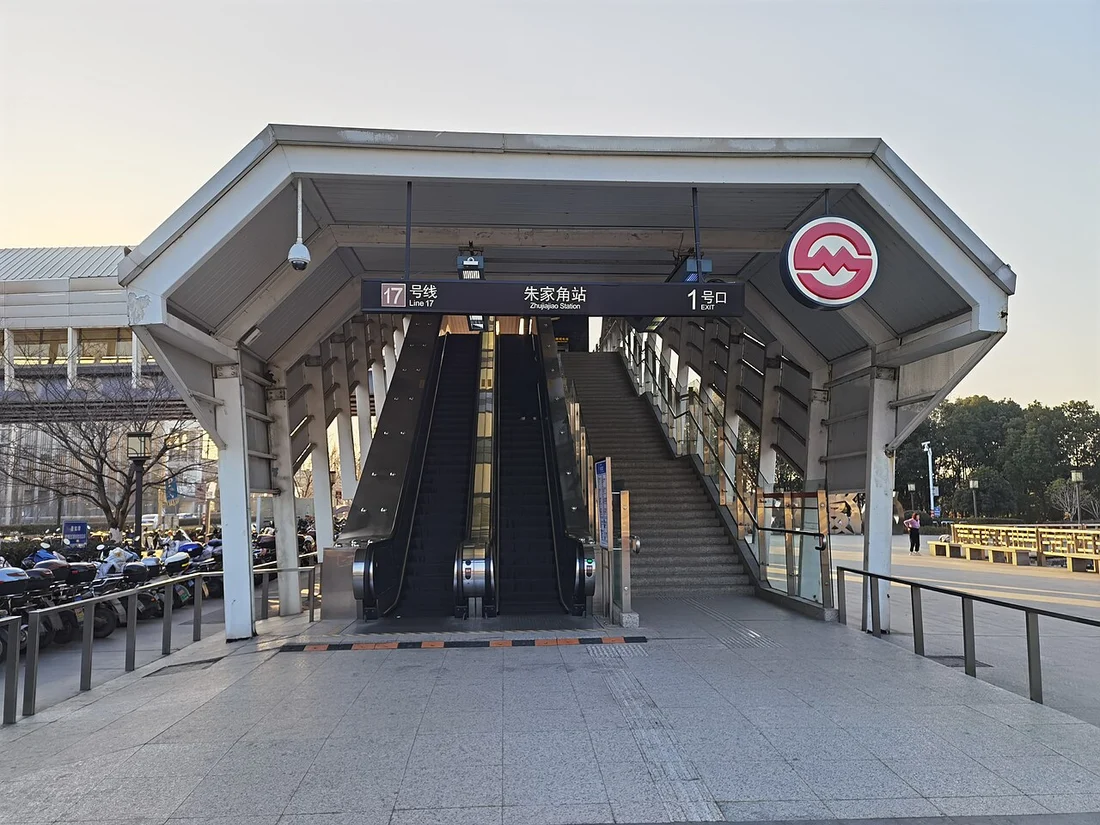

2. Walk into the canal lanes from the station
Search 朱家角古镇 in your map app. The official visitor area is listed at 555 Kezhiyuan Road (课植园路555号). For a walk through the lower lanes first, set your destination to 朱家角大清邮局, the old Qing Dynasty Post Office on Xihu Street. From Exit 1, the signed road names to look for on this approach are Zhuxi Road (珠溪路), Xiangningbang Road (祥凝浜路) and Caoping Road (漕平路). Let the walking pin take you to the street entrance rather than following steps down to the water if the bank path is wet or closed.

Walking into the public town is free, per Qingpu’s visitor guide. If you pass a ticket window, read the attraction list before paying. Garden admission, a local museum bundle and a boat ticket each cover a different part of the visit. A ticket counter at the visitor center does not make a ticket necessary to walk the old streets.
3. Follow the canal lanes to North Street and Fangsheng Bridge
From the post office area, set your next pin to Fangsheng Bridge (放生桥). Take the public lanes along the canal toward North Street (北大街). The bridge is recognizable by its five stone arches and long climb. Start with a photo from the bank, where the arches fit in the frame, then cross if the steps suit your group. If one side is crowded, take the photo from the other bank on the way back instead of stopping at the crest.


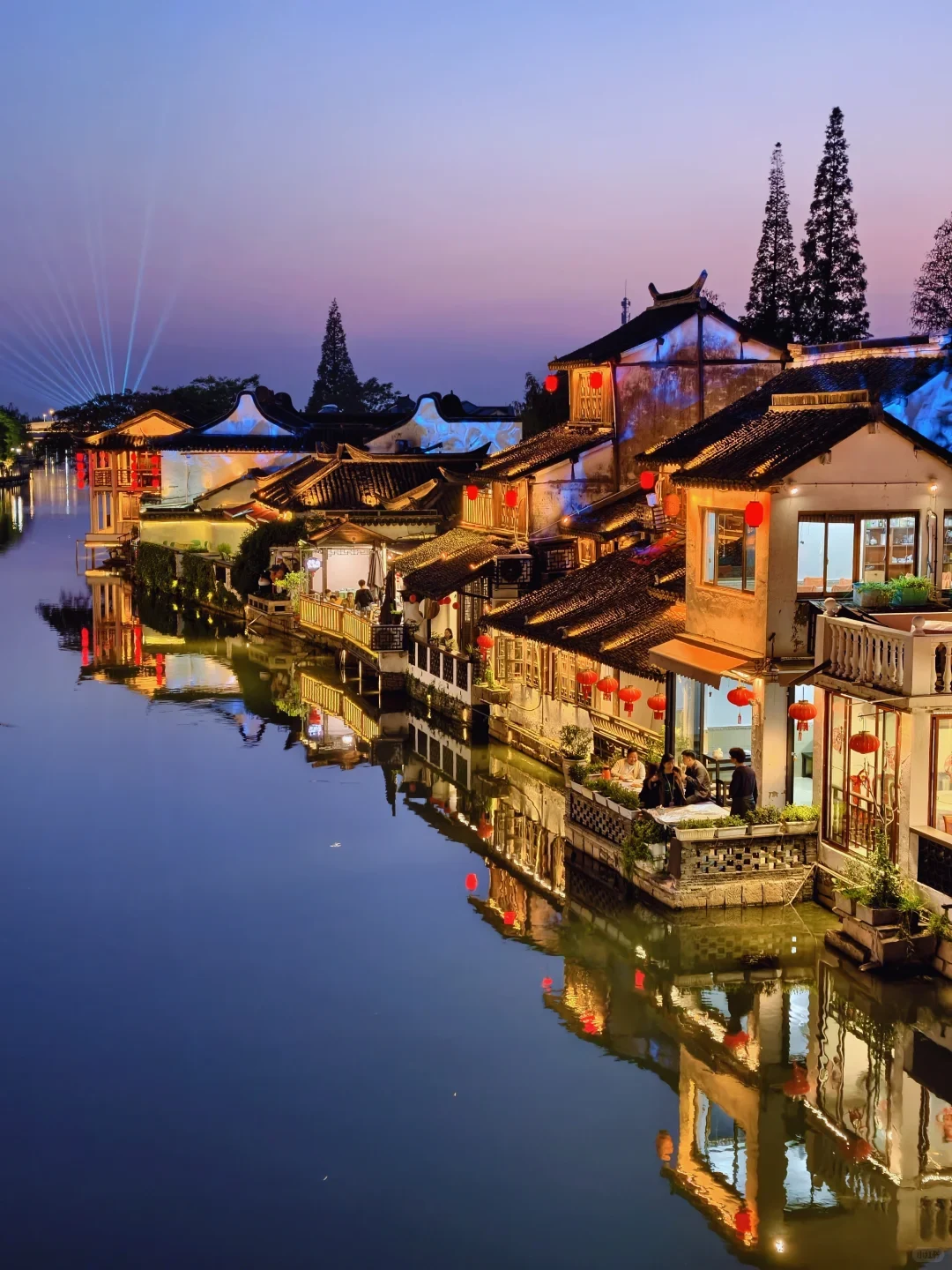
On North Street, expect a narrow lane with food and snack shops. This is an easy place to break for lunch or try zongzi, sticky rice wrapped in leaves. Ask to see a filling before you order if you avoid pork. If your group prefers fewer steps, spend longer on the main canal lanes and skip smaller footbridges. Several sections have uneven paving.

4. Add a garden or a boat only if you want the extra stop
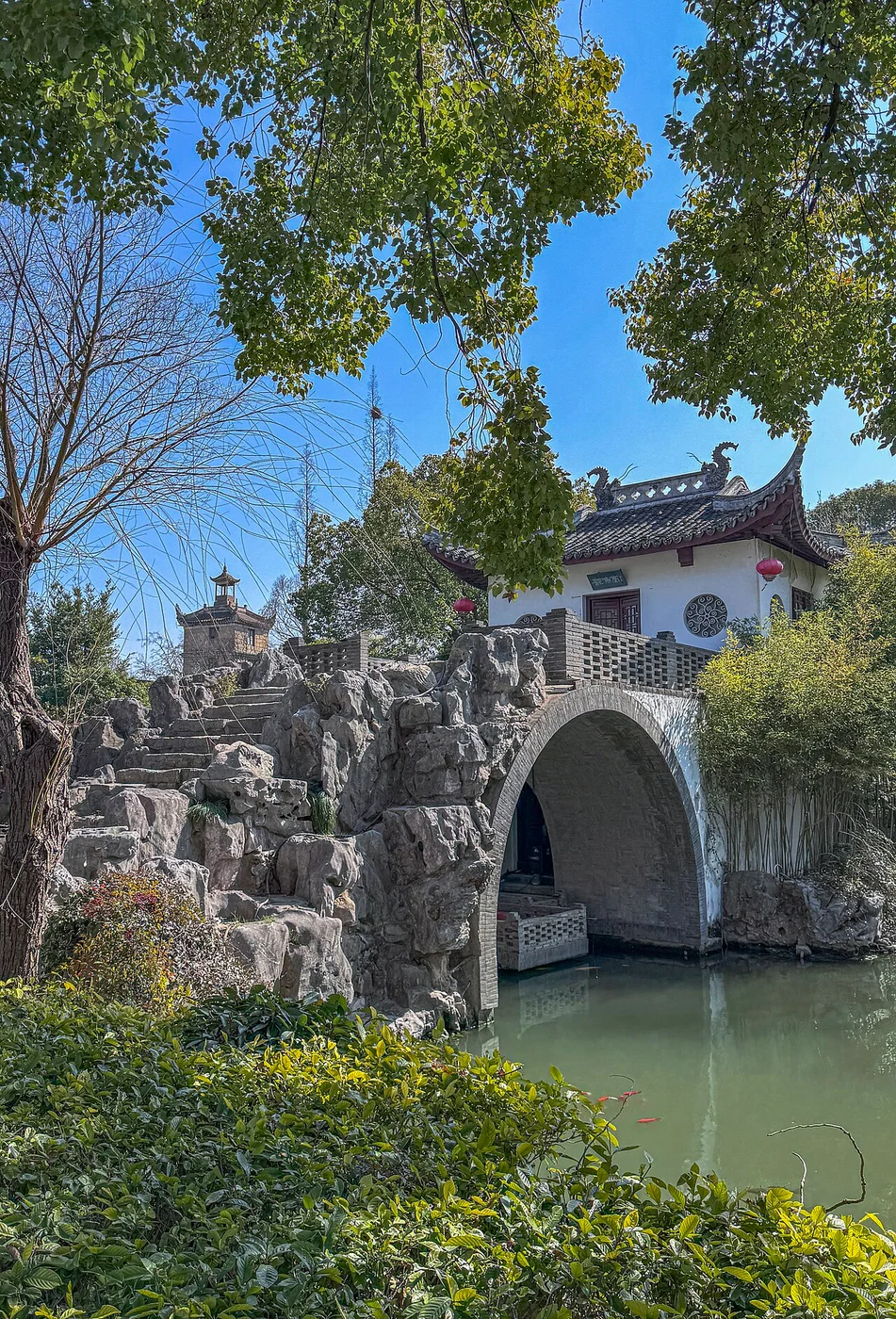
For an architecture stop, search Kezhi Garden (课植园) and walk to its own entrance on Kezhiyuan Road. At the desk ask for 课植园单票 if you only want the garden. A joint ticket (景点联票) gives access to named venues, so compare the list and final admission times before paying. Qingpu lists the garden in its 2026 pass information. Check the posted day price for the individual ticket.

For time on the water, ask at a signed boat pier for the boarding pier, final stop, and whether the displayed fare is per boat or per person. The water bus linking the station area and the town serves a different purpose from a sightseeing boat. If the route finishes at another pier, save a walking pin back to your station before boarding. Boats may pause in bad conditions, and the canal walk is a complete visit on its own.


5. Leave time for the return walk and metro transfer
Save 朱家角地铁站 1号口 before you start sightseeing and use that pin when leaving. Back on Line 17, choose the trains toward Hongqiao Railway Station and check your onward metro transfer time if you stay through dinner. You should leave with a route to the station and a train that still connects to your destination. If the metro no longer gives you an onward option, order a car from a road-accessible pickup point, such as the visitor center’s entrance.
For the gates and fares, see the Shanghai Metro ticket guide. The city’s Zhujiajiao walk has more background on the bridges and the garden.