
What to Eat in China: A Photo Guide to Your First Meals
For a first trip, a short food list is most useful when you can recognise the dish and understand what is inside it. A Shanghai soup dumpling, a Xi’an meat-filled bun and a Cantonese rice roll offer very different meals, even when an English menu calls all of them a “dumpling” or “snack”.
The photographs here show eight foods and several versions: jianbing, Peking duck, xiaolongbao, shengjian, roujiamo, har gow, cheung fun and beef chow fun. There is also a three-picture duck-wrap sequence, from an empty pancake to a folded result.
A starting choice by place and appetite
- Tianjin breakfast
- Jianbing: a savoury folded egg pancake with a crisp centre.
- Beijing shared meal
- Peking duck: slices, thin pancakes, sauce and vegetables.
- Shanghai dumplings and buns
- Xiaolongbao for thin steamed wrappers; shengjian for a browned crust.
- Xi’an bread and meat
- Roujiamo: the complete name distinguishes pork from beef.
- Guangzhou dim sum or noodles
- Shrimp dumplings, rice rolls or a plate of beef chow fun.
These are choices for those places, not a claim to cover every Chinese region. The photographs identify real servings; the menu example explains fillings and piece counts. Names and pictures cannot establish a complete ingredient list or suitability for a dietary restriction.
Jianbing: an egg pancake with a crunchy centre
煎饼果子 · jiānbing guǒzi
Especially associated with Tianjin; a breakfast choice when you want something handheld and savoury.
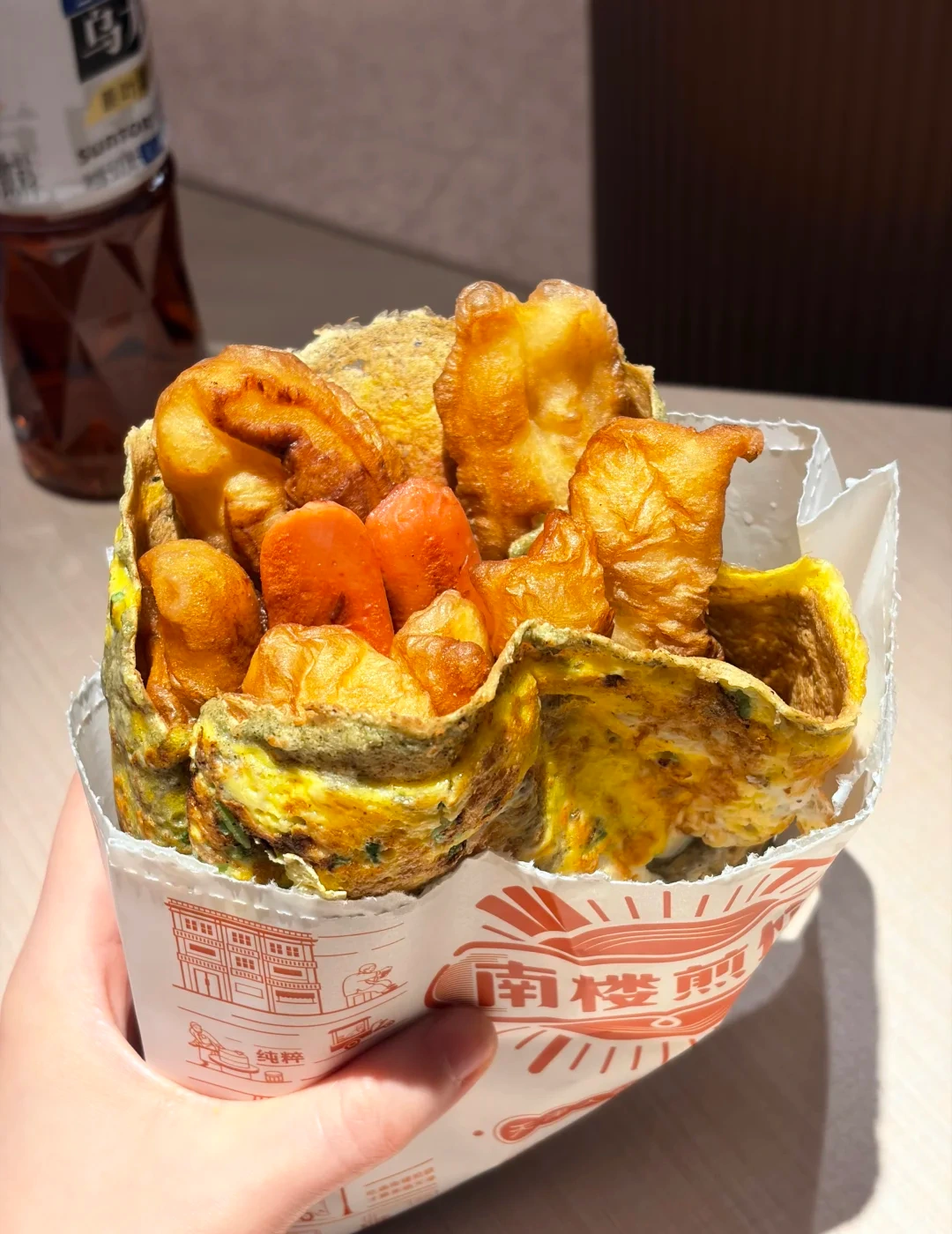
The thin pancake folds around a crisp filling. Traditional Tianjin versions use 油条, fried dough sticks, or 馃箅儿, a thin fried cracker. Egg and sauces contribute much of the flavour.
The photograph shows an actual two-egg, fried-dough-and-sausage version described by its reviewer. The sausage is an addition, not part of every jianbing. It is a substantial stuffed pancake, rather than a sweet dessert crêpe.
Recipes and extras vary by stall. The Chinese name identifies the food; the filling list determines which version you are getting.
Peking duck: slices, pancakes and separate accompaniments
北京烤鸭 · Běijīng kǎoyā
A Beijing specialty for a shared meal: roasted duck, browned skin and thin pancakes.
The plate of sliced duck is only part of the experience. In the photograph, the other components are 荷叶饼, thin pancakes; cucumber; fine scallion strips; and dark sauce. Beijing Tourism describes sweet noodle sauce or hoisin as accompaniments.
The sauce and fresh vegetables give a sweet-savoury, crisp contrast to the duck. A photograph of a generous duck platter does not establish whether a menu price buys a whole duck, half a duck, or includes the pancakes.
The next three pictures show one diner’s way of making a wrap. The sequence applies to the components shown, wherever a similar duck set is served.

Duck wrap 1: separate a thin pancake
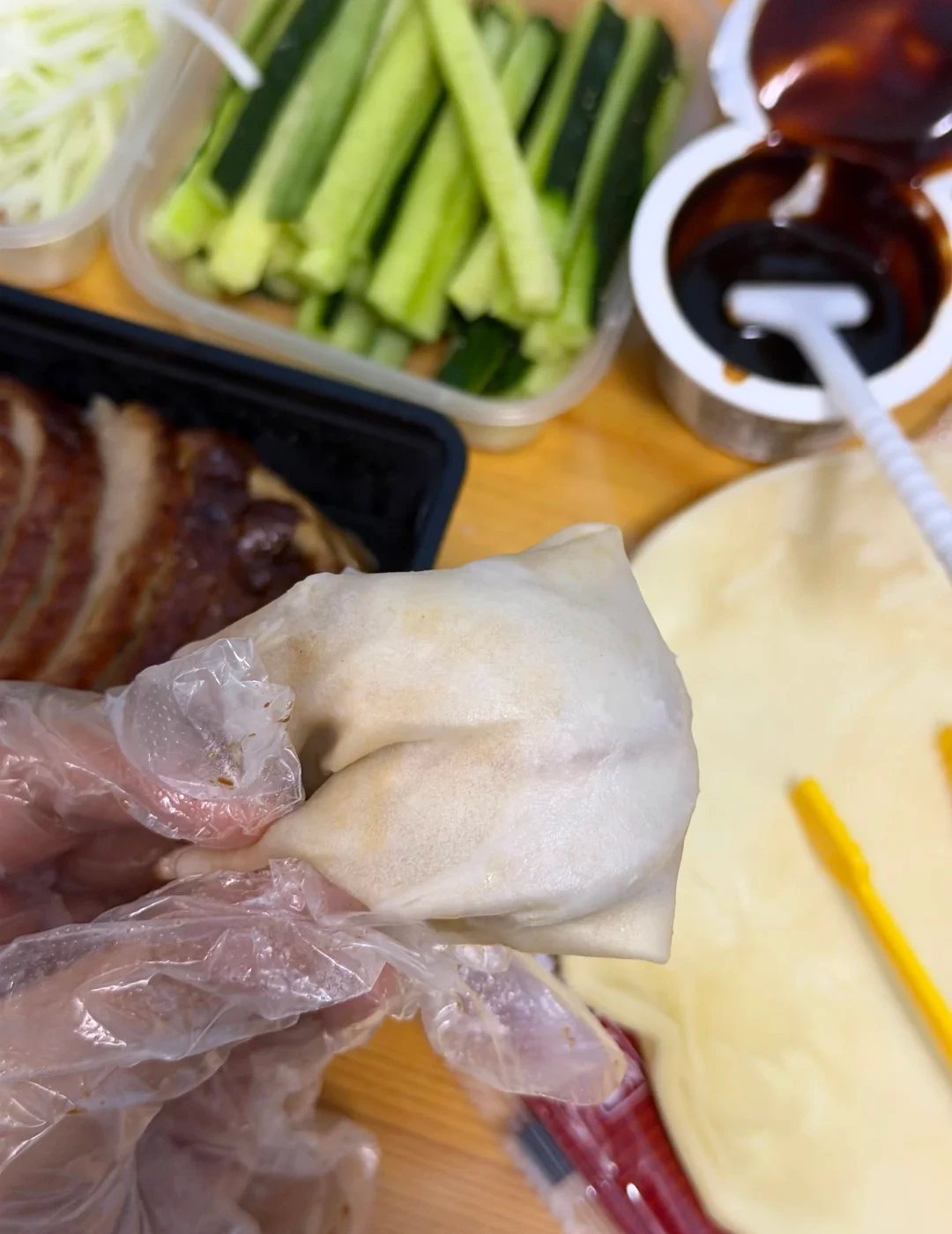
Separate one thin pancake from the stack. In this photograph, the diner has lifted a sheet and spread it over a hand. The wrapper is thin enough for the hand beneath it to show through.
The white stack in the preceding picture contains the wrappers; the sliced duck goes inside one of these. The diner in this sequence uses a glove, but the useful detail is the single open sheet.
For now, the pancake is still empty.

Duck wrap 2: add sauce, duck and vegetables
Spread a little of the accompanying sauce on the pancake, then add duck, cucumber and scallion.
The photograph shows all three fillings together, with plenty of pancake still visible around them. The amount of sauce is a matter of taste; the source diner uses more than a light smear.
At this point the filling is on the pancake and the edges are still open.

Duck wrap 3: fold the pancake around the filling
Fold the loose pancake edges over the filling to make a small enclosed wrap.
The last picture in the diner’s sequence shows the completed shape: the filling is held inside and the outer surface is the pale pancake.
There is no need for a particular ornamental fold. The practical result is a wrap that keeps the duck, sauce and vegetables together.
Xiaolongbao: thin wrappers and soup inside
小笼包 · xiǎolóngbāo
Shanghai’s small steamed soup dumplings are a good choice if you like delicate dough and a juicy savoury filling.
The identifying picture is a bamboo basket of pale, pleated dumplings. 鲜肉小笼 usually means a fresh-pork version; the filling can also include other ingredients. In Shanghai, the words 小笼馒头 may appear for this food.
The soup is inside the wrapper and can be very hot when the basket arrives. These are different from the browned pan-fried buns in the shengjian photograph.
A basket is a serving unit, not a universal dumpling count. The pictured crab-and-pork meal contains eight; the wooden-sign menu from another shop lists six.

Crab-and-pork xiaolongbao: a different filling
蟹粉鲜肉小笼 · xièfěn xiānròu xiǎolóng
The words 蟹粉 indicate a crab preparation; 鲜肉 indicates the pork filling in this Shanghai dish.
The opened dumpling below comes from the same diner’s crab-and-pork meal. The orange crab component and meat are visible inside the thin wrapper, with liquid collected in the spoon and dish.
This version adds a seafood flavour to the meat-and-broth filling. It is a combined filling, rather than a crab-only dumpling. A plain-looking wrapper cannot tell you which filling is inside.
The menu name is therefore more useful than the wrapper’s colour when choosing between plain pork and crab-and-pork versions.

A xiaolong menu: six pieces and two fillings
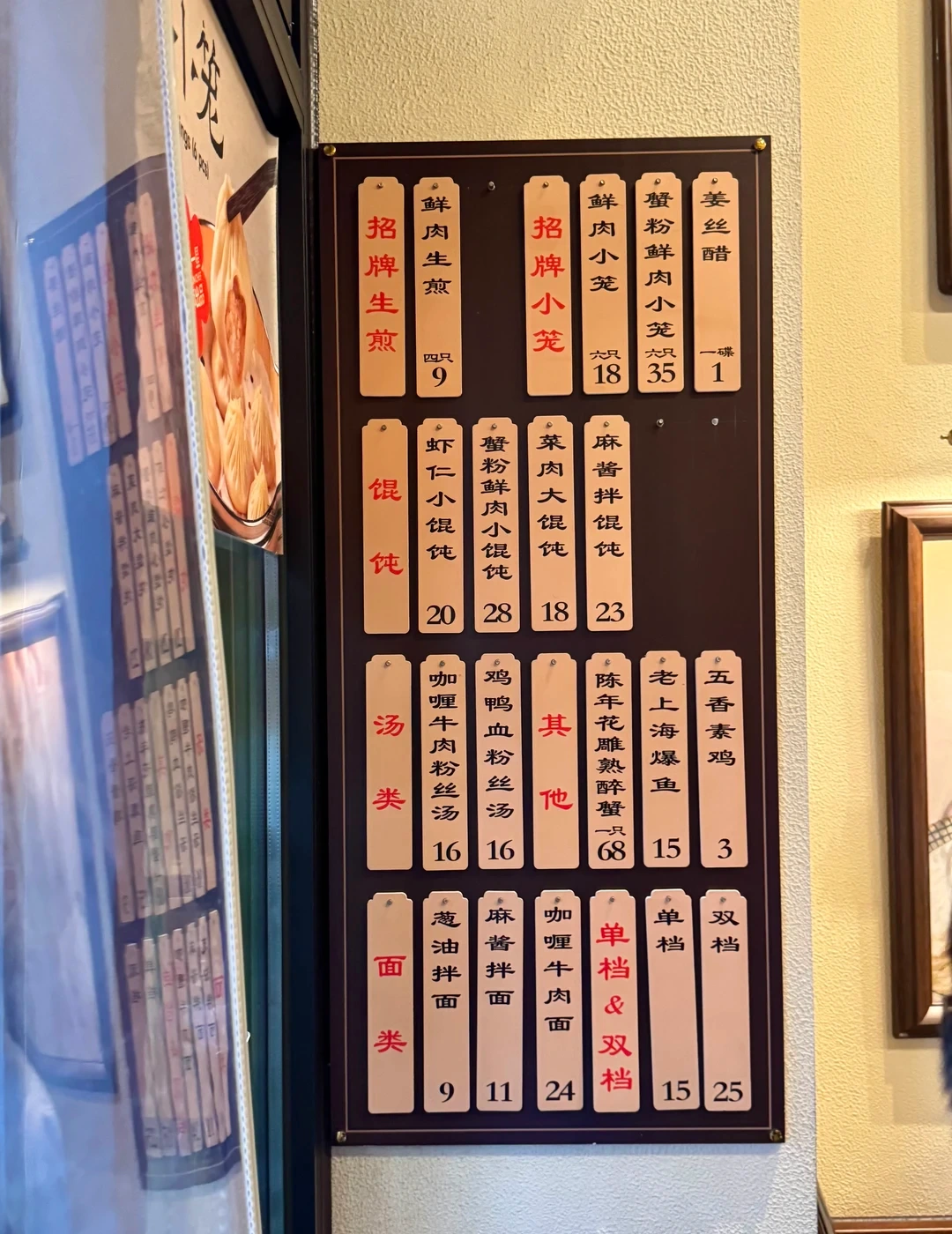
In the wooden-sign menu below, the upper middle columns say 鲜肉小笼, pork xiaolong, and 蟹粉鲜肉小笼, crab-and-pork xiaolong.
Both are marked 六只, six pieces. That differs from the eight-dumpling basket pictured above. The menu also lists ginger vinegar separately as 姜丝醋.
This is the menu in 一万山几几’s 25 June post, not the menu for 恒温’s basket. It illustrates how to distinguish the food, filling and count in writing. The prices are part of that dated photograph.
The 鲜肉生煎 column to the left is a different food, with four pieces on this menu. The next photograph shows what those browned buns look like.
Shengjian: browned buns, with styles that vary
生煎 · shēngjiān, also 生煎馒头
A Shanghai choice for a browned crust and savoury meat filling.
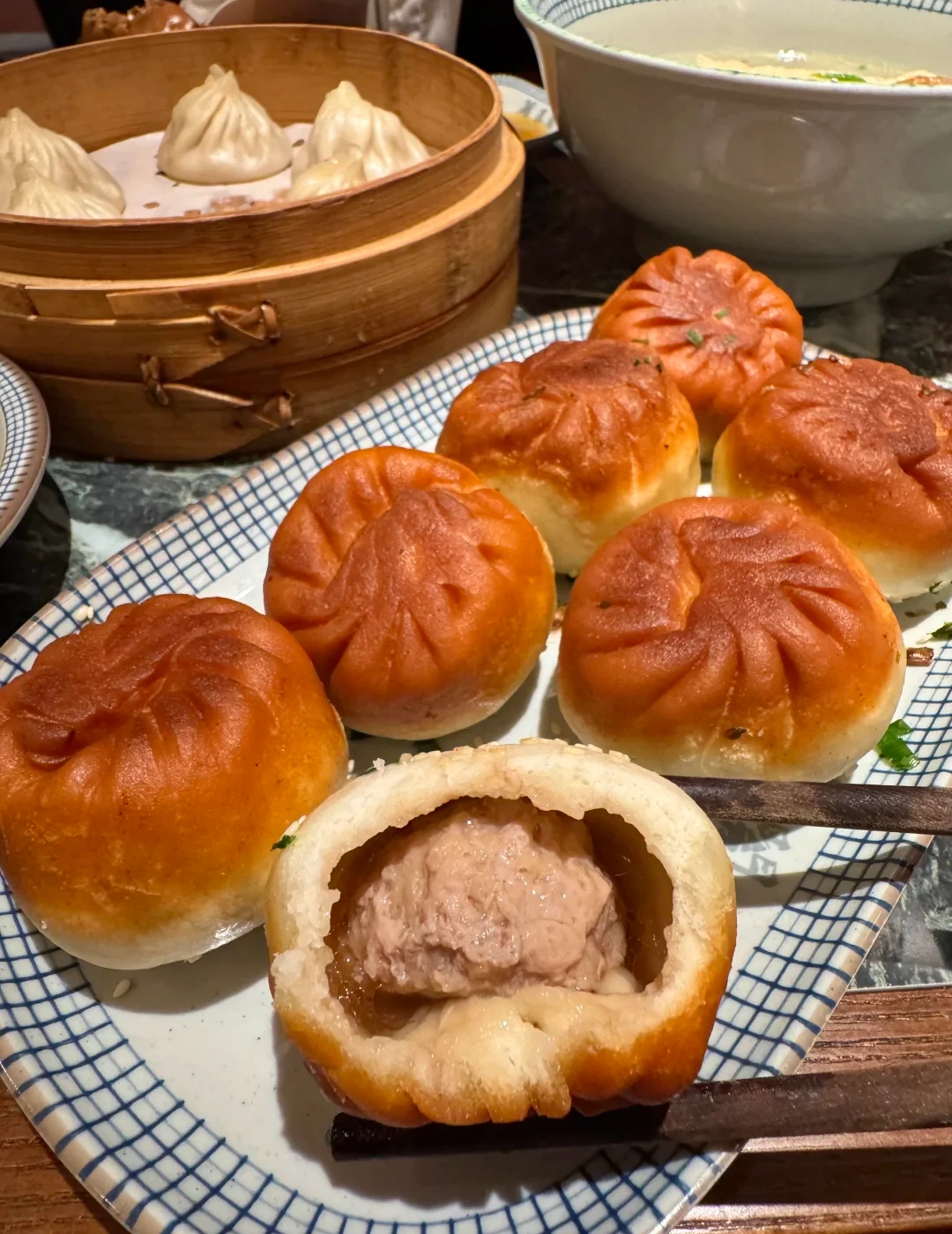
The buns below have a golden-brown fried surface. One has been opened to show its thicker, bread-like wrapper and meat filling; a basket of paler steamed dumplings sits behind it.
Shanghai’s municipal food guide describes both a broth-rich style using added meat jelly and a breadier style without that added jelly. Shops and recipes differ, so “every shengjian bursts with soup” is a poor description.
The photograph helps distinguish the actual bun from xiaolongbao. It does not, by itself, establish the photographed shop’s dough recipe or classify it into one of those styles.
Read the filling and piece count together
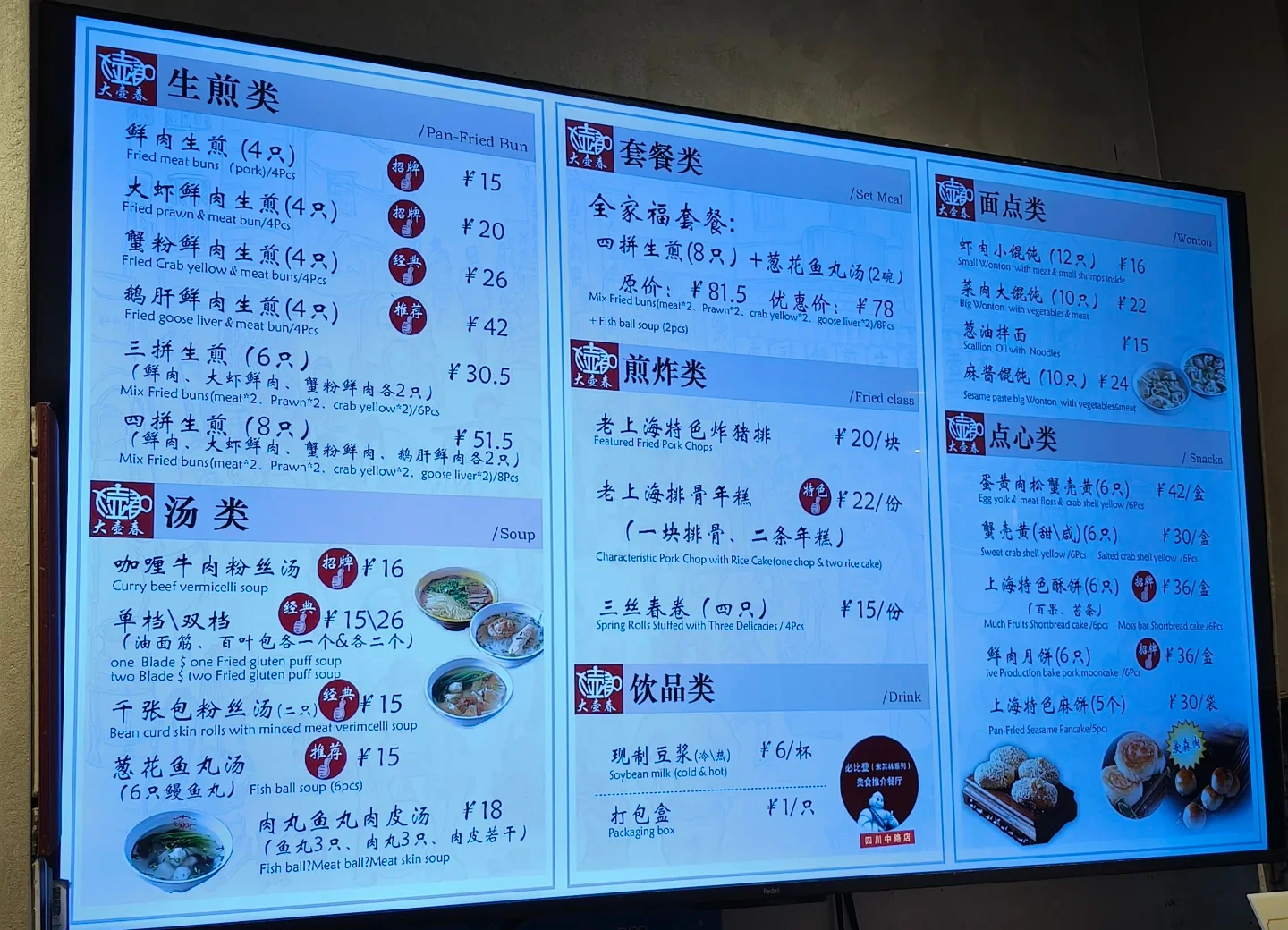
The photographed Da Hu Chun menu provides a useful example of how much can change within one dish name.
At the upper left, 鲜肉生煎(4只) is four pork buns. The next row, 大虾鲜肉生煎(4只), combines shrimp and meat. Below that, 蟹粉鲜肉生煎(4只) is crab-and-meat. The mixed selections lower down contain 6 or 8 buns.
Those are counts for the pictured selections. 只 means individual pieces here. In the separate wooden-sign menu, 鲜肉小笼 is marked 六只, six pieces, while its shengjian selection is four.
For the pictured menu, choose the full filling name and its count together. The visible prices belong to a 30 June post; they are not confirmed prices for your visit. Tap the image for a readable enlargement.
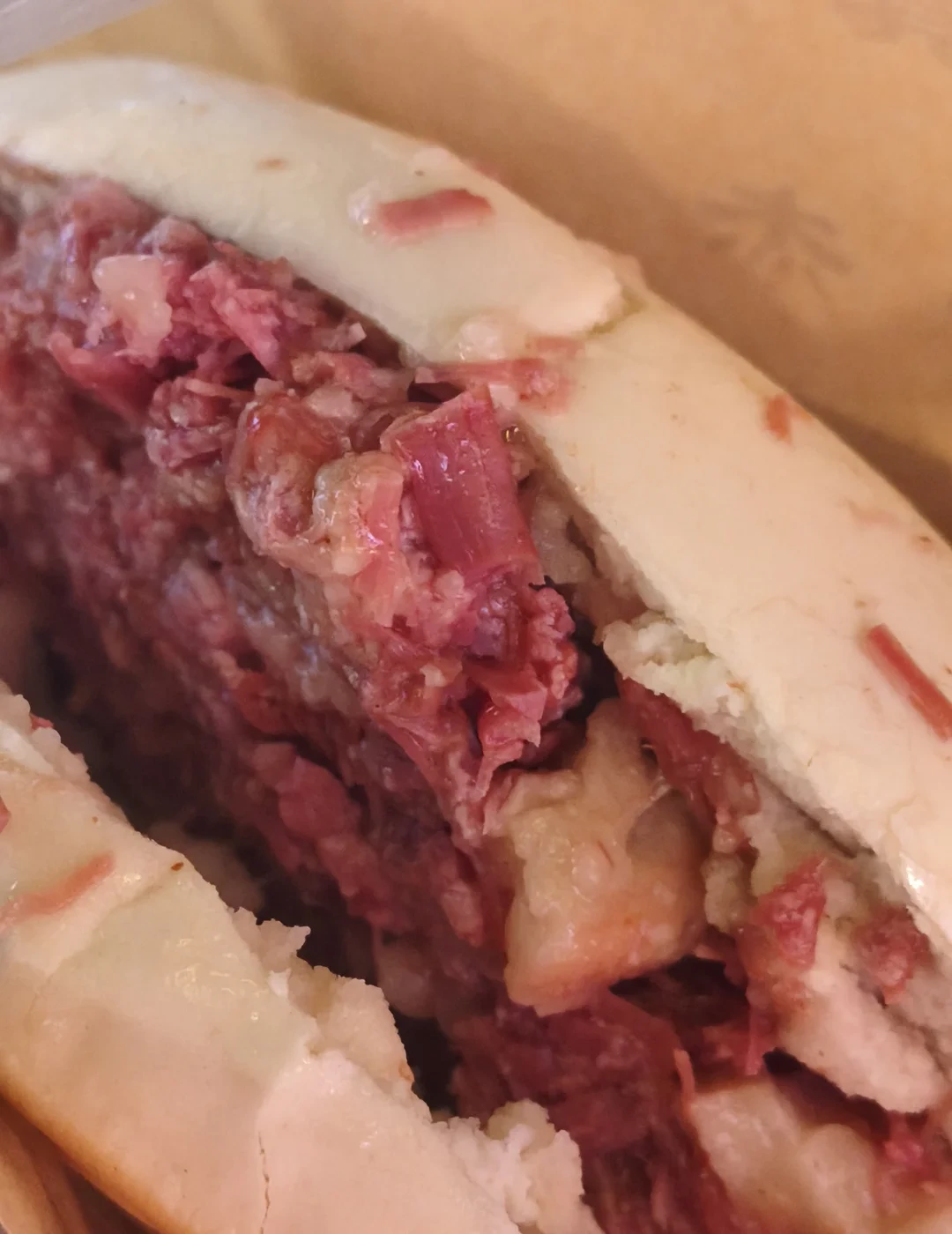
Roujiamo: the pork version in a round bun
腊汁肉夹馍 · làzhīròu jiāmó
A Xi’an choice when you want chopped, slow-cooked pork in bread.
The Shaanxi heritage description identifies this version as pork with 白吉馍, a round baked bread. The photograph below is the first pork roujiamo in the traveller’s numbered Xi’an food diary.
The browned, patterned top and chopped meat are easy to recognise. The author chose lean meat for this particular sandwich; other photographs and menu options in the diary include different fat-and-lean combinations.
The plain English label “Chinese burger” loses those distinctions. The next picture shows why the Chinese meat name matters as well.

Beef roujiamo: a separate version, not the same meat
腊牛肉夹馍 · là niúròu jiāmó
The important character is 牛, beef. This is different from the pork filling above.
The same Xi’an diarist labels this photograph as the beef version. Its chopped meat has a visibly redder colour than the earlier pork sandwich, but colour is not a dependable way to identify meat.
The Shaanxi heritage account describes beef-and-lamb versions as well as pork roujiamo. The complete Chinese name distinguishes them; “roujiamo” alone does not.
These names explain the dish. They do not certify a restaurant’s ingredients, preparation or halal status.
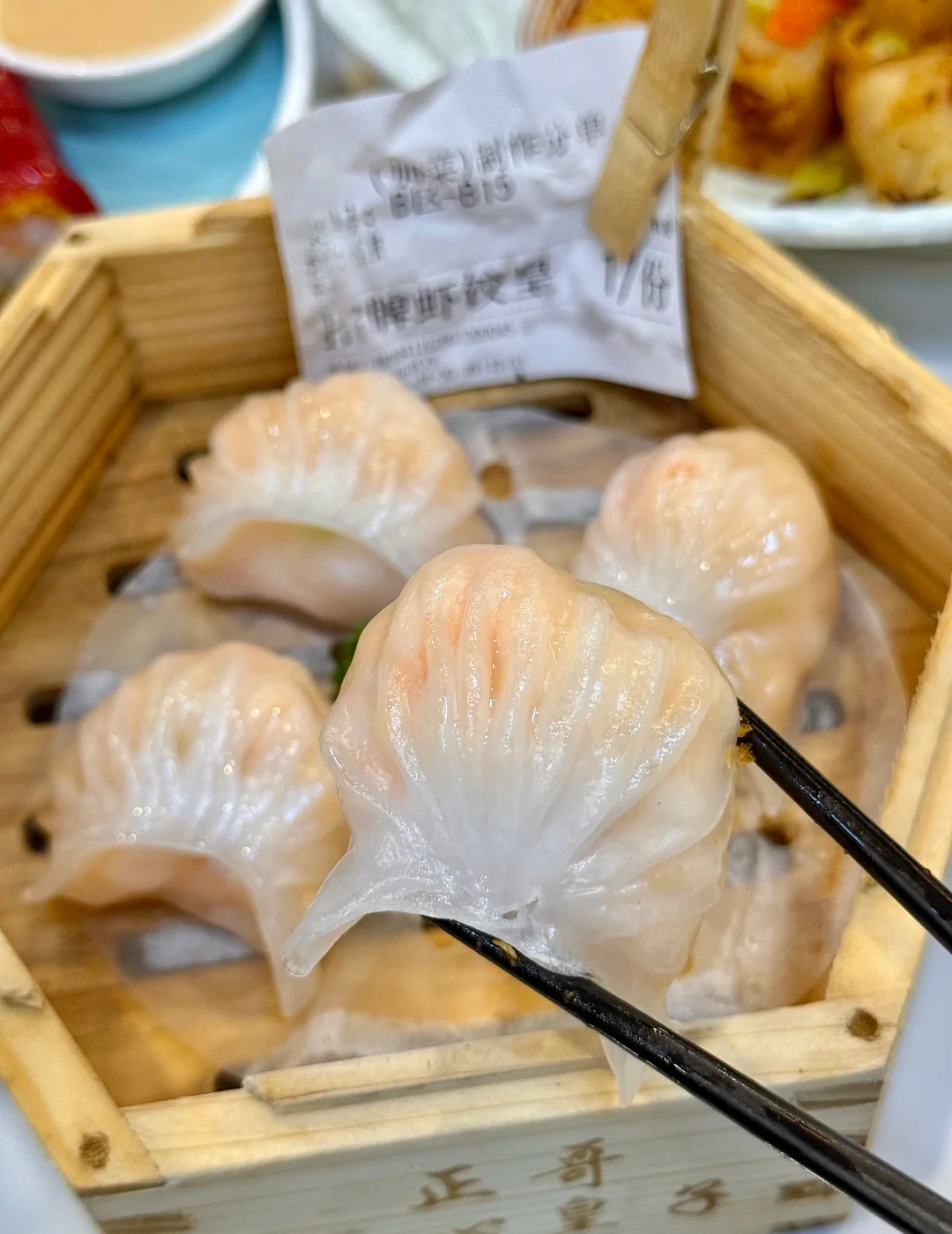
Har gow: shrimp dumplings for Cantonese dim sum
虾饺 · xiājiǎo, often written har gow in English
A Guangzhou dim sum choice with a translucent, pleated wrapper and shrimp filling.
The photograph shows the dumplings in a bamboo basket, with one held up so its wrapper and shrimp-coloured filling are visible. Compared with xiaolongbao, the translucent wrapper is the most useful visual clue here.
Guangzhou’s official food feature includes shrimp dumplings among its morning dim sum specialties. A basket is a small dish within that meal; the number and size depend on the menu.
The name identifies a shrimp dumpling, not a complete ingredient list.
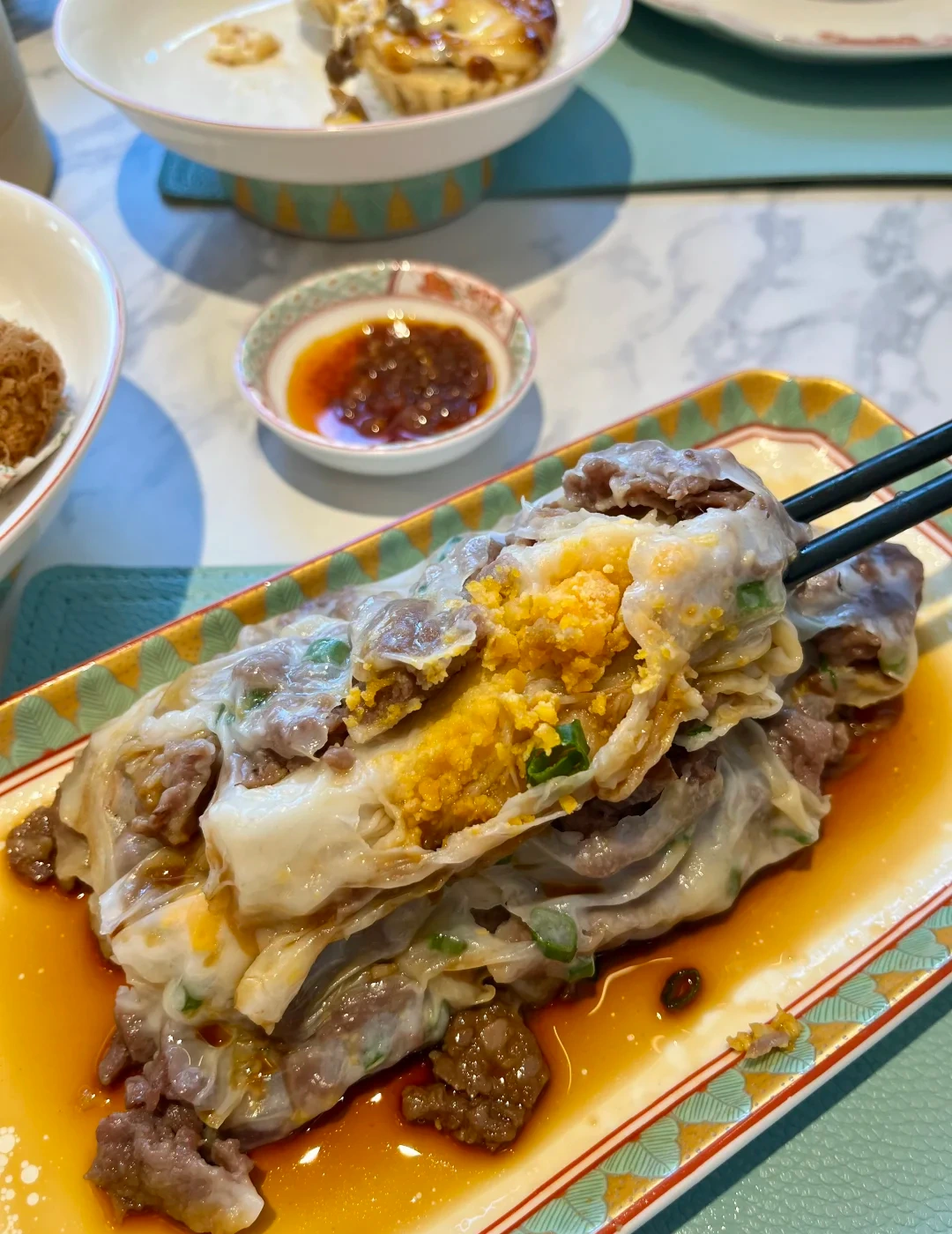
Cheung fun: soft rice sheets with a filling
肠粉 · chángfěn, often written cheung fun
A Guangzhou choice when you want soft, slippery rice sheets rather than fried noodles.
Liwan’s official food feature describes several fillings, including beef, pork, shrimp and egg. 牛肉肠粉 is the beef version; 鲜虾肠粉 indicates shrimp.
The photographed version is more elaborate: beef and salted egg yolk inside thin rice sheets, with sauce on the plate. Both the author and replies identify that combination. The bright yellow component is visible in the opened roll.
Salted egg is specific to this example, not a standard ingredient in every beef rice roll. A photo of a plain-looking white sheet cannot establish all its filling or sauce ingredients.
Red rice rolls: a crisp-centred alternative
红米肠 · hóngmǐ cháng
The red version in this Guangzhou dim sum meal has a different texture from the soft white roll above.
Its cut ends show three layers: a red outer sheet, a crisp golden centre and shrimp. Guangzhou’s official food feature describes the crispy red rice roll with shrimp as a dim sum option.
This is a useful choice when you want both a soft outer layer and crunch inside. It is a distinct preparation; the red colour does not tell you that the dish is spicy.
The sauces beside the plate belong to this serving. Their complete recipes are not established by the photograph.

Beef chow fun: flat rice noodles from the wok
干炒牛河 · gānchǎo niúhé
A Guangzhou choice for a plate of savoury fried noodles.
The main visual clues are wide flat noodles, beef slices, bean sprouts and green onion. The dish is fried together, rather than served as rolls or as noodles in a bowl of soup.
Guangzhou’s official description identifies beef, onions and bean sprouts with Shahe rice noodles. The traveller’s plate below gives a clear example of the finished dish.
干炒 means dry-fried in this context. It describes the preparation; it does not mean the dish is oil-free. The portion shown is one diner’s plate, not a promised serving size at every shop.

Which of these makes sense for your next meal?
For a handheld breakfast, the jianbing photograph shows a folded pancake; for bread and meat in Xi’an, the roujiamo pair shows two different meats.
In Shanghai, xiaolongbao gives you thin steamed wrappers and soup, while shengjian adds a browned crust. The menu example shows why the full filling name and piece count belong together.
For a shared Beijing meal, the duck sequence explains the separate components and completed wrap. In Guangzhou, the photograph below shows several dishes on one table: shrimp dumplings, white rice rolls, red rice rolls and beef chow fun.
That Guangzhou spread is a group meal example, not a one-person order recommendation. Your useful end point is a dish you can recognise, a Chinese filling name you understand and a serving amount stated on your actual menu. The same named food can arrive in a different-sized portion elsewhere.
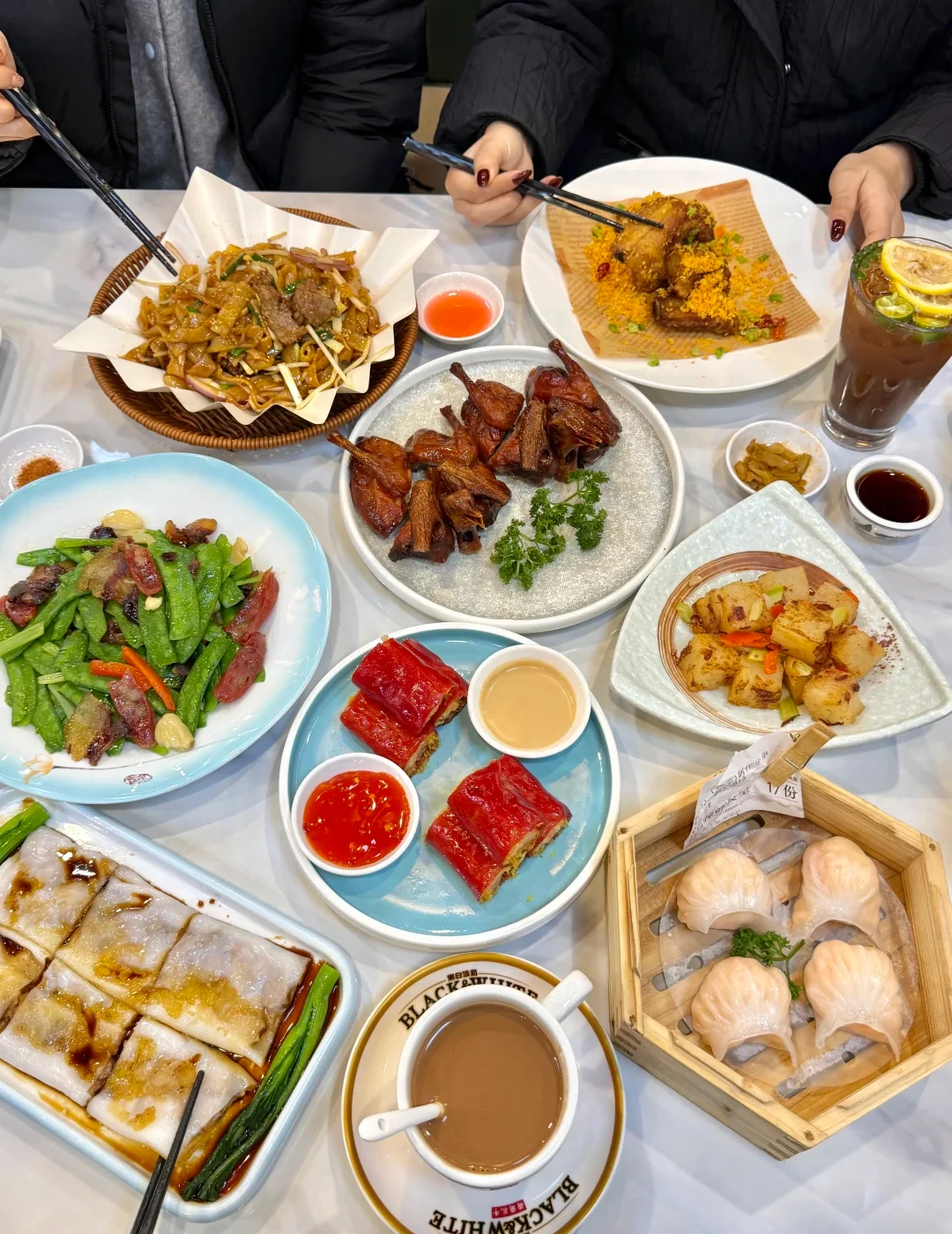
A useful first meal starts with a dish you can identify. The Chinese names above distinguish the pictured versions, including pork versus beef roujiamo, plain pork versus crab-and-pork xiaolongbao, and soft white rice rolls versus crisp-centred red ones. The photographed menu shows how the same food can be sold in different counts and combinations.
For sharing at the table, the separate serving-chopsticks guide explains the utensils with its own pictures.
Food descriptions checked 20 November 2026 against Shanghai’s municipal food features, Beijing Tourism, Guangzhou and Liwan food features, and the Shaanxi heritage account. Menu photographs are dated examples. Photos were shared by the credited diners; individual photo days are not assumed from post dates.


Questions and updates
Comments may be reviewed before they appear.
Your comment and chosen name may be published. We store your IP address and browser details to help moderate comments.